
Many major cities are trying to contain spiraling property prices which have become unaffordable for the bulk of their own population. No need to delve too deeply into too many theories on this. The breakdown of the major factors affecting property prices as confirmed by the research paper below from BIS:
real house price growth – the perception that investors and buyers get real house price growth; i.e. returns must be higher than nominal inflation; hence the GDP growth prospects and financial balance sheet for the country must be “good-strong”
Australia’s Plate Of Worry
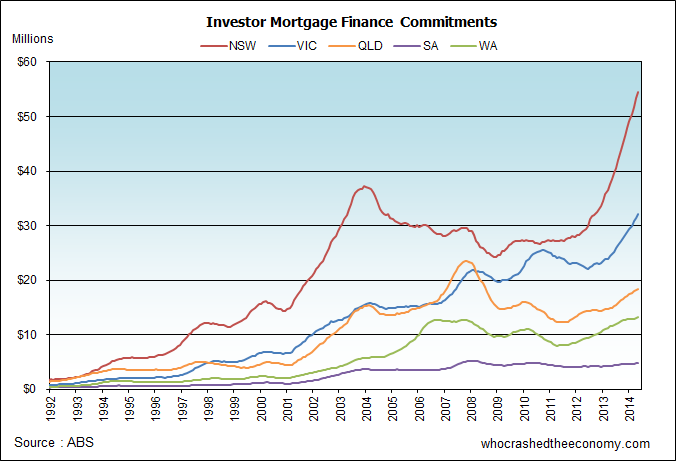
net migration inflows – in the 70s and 80s there were waves of migration to developed countries and that was a noted catalyst for higher prices; however from 2000 onwards we have seen the dubious flow of illicit funds from Russia and institutional flow of funds from certain countries’ pension funds in particular to the UK and other global cities; for the last 10-15 years the outflow of funds from China to certain investing hotspots have been a big factor as well; hence actual migration of people is no longer necessary as people are a lot more mobile and global in their investment portfolio
size of the existing housing stock – self-explanatory; however the more vibrant a city’s economy which will attract the better rental market, is another important supporting factor
nominal interest rates – self-explanatory
These 4 main factors may have explained much of the price growth from 70s-2000. However, there are two major factors unaccounted for, which may further explain the present stratospheric property prices:
a) the hyper-liberal ways developed nations have been printing money to get themselves out of the few financial crisis
b) the enormous wealth created in China by the middle class
“““““““““““““
Residential investment and economic activity: evidence from the past five decades
BIS Working Papers | No 726 |
06 June 2018
Contribution
Findings
Abstract
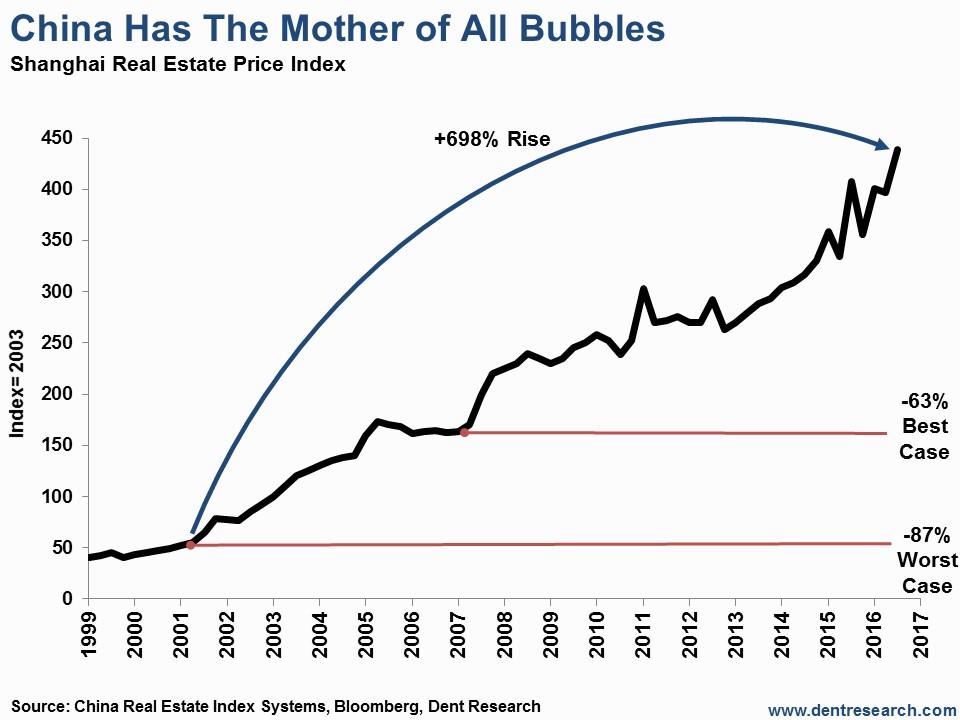
Many countries have tried to contain the price surges, from the UK, to Canada, to major cities in China, to Hongkong, to Australia and even New Zealand. Finally, I think Singapore has come up with the most brutal and (possibly most effective) policies to counter the price bubbles.
ABSD Changes (Singapore)
| AS OF JULY 5 | FROM JULY 6 | |
|---|---|---|
| Singaporeans buying first residential property | 0% | 0% |
| Singaporeans buying second residential property | 7% | 12% |
| Singaporeans buying third and subsequent residential property | 10% | 15% |
| Permanent residents buying first residential property | 5% | 5% |
| Permanent residents buying second and subsequent residential property | 10% | 15% |
| Foreigners buying any residential property | 15% | 20% |
| Entities buying any residential property | 15% | 25% (plus additional 5% for developers) |
The curtailment for local investors are quite tough but the taxes on foreigners are now quite debilitating. Other countries should try the Singapore way. It is a determined way to quash sentiment.
 thestarmalaysia.news.blog